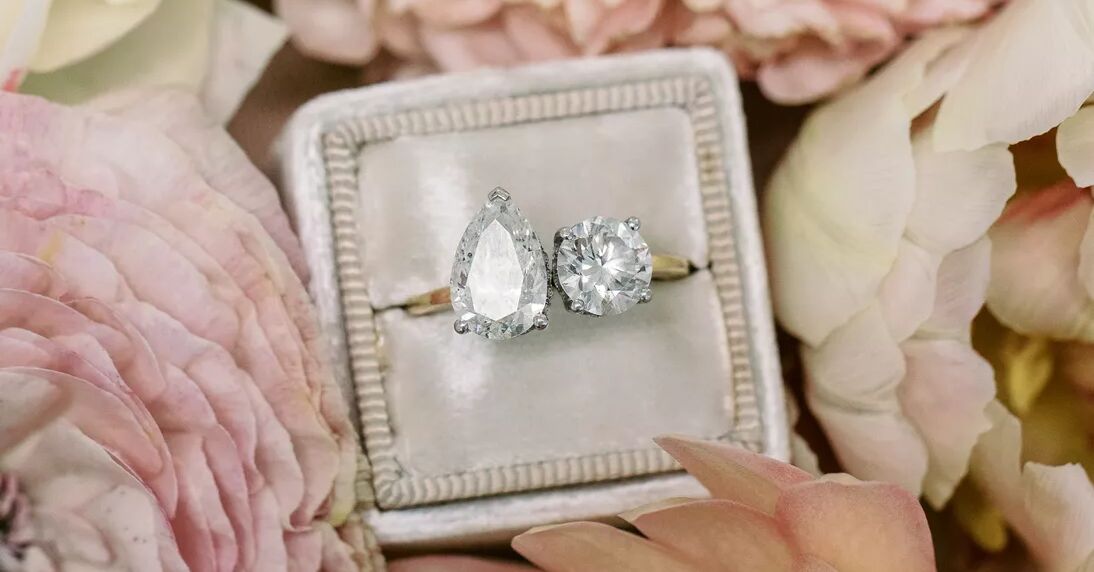

HPHT Lab-Grown Diamonds: What Really Matters
September 24, 2025They weren’t talking about fakes or knock-offs. They were pointing at a sparkling stone under soft LED lights — a lab-grown diamond. And honestly, that moment sums up why this topic still fascinates me.
After years working around jewellers, gemologists, and curious customers across Australia, I’ve seen how quietly revolutionary lab grown diamonds hpht have become. They’re not shouting for attention. They’re just… changing things. Slowly, confidently, and with far less drama than people expected.
So let’s talk about them properly — not the sales pitch version, not the scare-mongering stuff, but the grounded, human reality of HPHT diamonds. What they are, why they exist, and why so many Australians are starting to choose them without apology.
Diamonds Don’t Start as Romance — They Start as Pressure
You might not know this, but diamonds aren’t born romantic. They’re born violent.
Deep in the earth, carbon atoms are subjected to intense heat and unimaginable pressure. Over time — and we’re talking billions of years — those atoms lock together into the crystal structure we recognise as diamond.
Now here’s the part that surprised me when I first learned it: HPHT simply recreates that same natural process. Not “kind of”. Not “sort of”. The actual physics.
HPHT stands for High Pressure, High Temperature. Scientists figured out decades ago that if you place carbon under extreme pressure (around 5–6 GPa) and heat it beyond 1,300°C, diamond formation happens. No shortcuts. No synthetic tricks. Just controlled conditions.
That’s why HPHT diamonds aren’t imitations. Chemically, optically, structurally — they’re diamonds. Full stop.
How HPHT Diamonds Are Actually Made (Without the Sci-Fi Spin)
There’s a lot of mystery around how lab diamonds are created, and honestly, some marketing doesn’t help. You’ll hear phrases like “grown from nothing” or “man-made gems,” which sounds vaguely artificial.
In reality, HPHT diamonds begin with a diamond seed — a tiny sliver of real diamond. That seed is placed into a press with pure carbon. Then the pressure and heat kick in.
Weeks later, you’ve got a diamond crystal that formed the same way nature does it, just without waiting for geological eras to pass.
I’ve seen these presses up close. They’re industrial, loud, unromantic machines. And yet, what comes out is… stunning.
Why HPHT Diamonds Look the Way They Do
One thing jewellers notice immediately is how HPHT diamonds handle colour.
Early HPHT stones sometimes had a yellow or brown tint — not a flaw, just a side effect of nitrogen interacting during growth. But modern processes have refined this dramatically.
Today, HPHT diamonds are often used to improve colour, even in mined stones. That’s right — the jewellery industry has used HPHT treatment on natural diamonds for years to enhance clarity and colour stability.
So when people worry that HPHT lab diamonds are “less natural,” it’s worth remembering that the method has long been trusted at the highest levels of gemology.
HPHT vs CVD: A Quiet Debate in the Trade
If you spend enough time around jewellers, you’ll overhear the comparison eventually.
CVD (Chemical Vapour Deposition) diamonds grow layer by layer in a chamber, while HPHT diamonds grow more like natural stones. Neither is “better” across the board — they’re just different.
That said, many jewellers quietly prefer HPHT diamonds for certain cuts and colours because of their crystal structure and optical performance.
If you want a deeper breakdown, this resource on lab grown diamonds hpht explains the differences far better than most sales staff ever will. It’s one of the few comparisons that doesn’t feel agenda-driven.
The Emotional Shift: Why Buyers Are Choosing Lab Diamonds
Here’s something you don’t see in spec sheets: relief.
I’ve watched couples exhale when they realise they can afford a larger, higher-quality stone without compromising their values or budget. No awkward silences. No pushing credit limits.
For many Australians — especially younger buyers — lab diamonds feel aligned with how they already live. Conscious consumption. Transparency. Less environmental baggage.
They’re not trying to make a statement. They’re just choosing what feels sensible.
Are Lab Diamonds Ethical? It’s Complicated — But Clearer Than You Think
No diamond is entirely impact-free. That’s the honest truth.
But HPHT lab diamonds remove several long-standing issues from the equation: conflict funding, dangerous mining conditions, and large-scale land disruption.
Most lab facilities operate under regulated environments, often powered by renewable energy. It’s not perfect, but it’s progress.
And progress matters.
The Resale Question (Let’s Address the Elephant)
People often ask, “Do lab diamonds hold value?”
Short answer? They’re not investment stones. But neither are most mined diamonds.
Diamonds aren’t shares or property. Their value is emotional, symbolic, personal. Resale only matters if you’re buying for resale — and most people aren’t.
What lab diamonds do offer is upfront value. You get more quality for your money, now. That’s what most buyers actually care about.
Why Jewellers Are Slowly Changing Their Tune
Ten years ago, lab diamonds were treated like a threat.
Now? They’re treated like another tool.
Independent jewellers across Australia have realised something important: refusing to stock lab diamonds doesn’t protect tradition — it pushes customers elsewhere.
Many now offer both options, letting clients choose without pressure. That’s a healthier industry.
The Rise of Lab Made Diamonds in Everyday Jewellery
It’s not just engagement rings anymore.
I’ve seen lab made diamonds used beautifully in tennis bracelets, minimalist studs, even heirloom-style pendants. They’ve opened creative doors designers couldn’t access before.
If fashion and personal style play into your jewellery choices (and let’s be honest, they always do), this guide on lab made diamonds offers a refreshing, non-technical take on pairing diamonds with lifestyle aesthetics.
Sometimes jewellery should just feel like you — not like a financial strategy.
What I Tell Friends When They Ask My Opinion
They usually ask quietly. Like it’s still taboo.
I tell them this: If you love the stone, understand what you’re buying, and feel good about the choice — it’s the right diamond.
HPHT lab diamonds aren’t a compromise. They’re an evolution.
And honestly? Watching the industry adapt has been one of the more hopeful shifts I’ve seen.
The Future Feels Less Exclusive — And That’s Not a Bad Thing
Diamonds used to be about scarcity. Now they’re about intention.
HPHT technology hasn’t cheapened diamonds. It’s stripped away some of the mythology that never served buyers in the first place.
There’s still room for mined stones. There’s still romance, craftsmanship, and history. But there’s also room for progress — quieter, cleaner, more considered.